

Foundation cracks are one of the most common concerns for homeowners—and one of the most misunderstood. While some cracks are harmless, others can signal serious structural issues that require immediate foundation repairs. Understanding the difference is essential to protecting your home’s safety, value, and long-term stability.
Did you know? Research shows that up to 90% of homes develop some form of foundation cracking over time, and approximately 25% of homes experience structural distress related to foundation movement. This makes foundation issues one of the most widespread problems homeowners face.
What Causes Foundation Cracks?
Foundation cracks typically occur due to pressure, movement, or environmental changes affecting the soil and structure beneath your home.
Soil Movement and Settlement
The most common cause of foundation cracks is uneven soil movement. Over time, soil shifts due to moisture changes, compaction, or poor preparation. When this happens, different parts of your foundation settle at different rates, creating stress that leads to cracks.
Expansive Clay Soil
In regions like Edmonton, clay-heavy soils expand when wet and shrink when dry. This constant movement can place significant pressure on your foundation. In some cases, soil can shift by 2–3 inches seasonally, increasing the risk of cracking.
Hydrostatic Pressure
Water buildup around your home creates pressure against foundation walls. Poor drainage systems or heavy rainfall can force water against concrete, eventually causing cracks or leaks.
Freeze-Thaw Cycles
Canadian climates experience frequent freeze-thaw cycles. As water freezes, it expands, putting pressure on both soil and concrete. Over time, this repeated expansion and contraction contributes to cracking.
Poor Construction or Soil Preparation
If the soil was not properly compacted or the foundation was not built for local conditions, cracks can develop early and worsen over time.
Natural Concrete Shrinkage
Concrete naturally shrinks as it cures. This often leads to small, vertical hairline cracks that are usually cosmetic and not structural.
Types of Foundation Cracks and What They Mean
Not all cracks are the same. The shape and direction of a crack can reveal the severity of the issue.
Vertical Cracks
These are often caused by normal settling and are usually not structural.
What it means:
- Common in most homes
- Often cosmetic
- May need sealing to prevent water intrusion
Horizontal Cracks
Horizontal cracks are one of the most serious types and often indicate pressure from soil or water.
What it means:
- Potential structural damage
- Risk of wall failure or bowing
- Requires professional foundation repairs
Diagonal Cracks
These cracks typically indicate uneven settling.
What it means:
- One side of the foundation is shifting
- Severity depends on crack width and growth
Stair-Step Cracks
Common in brick or block foundations, these cracks follow mortar lines.
What it means:
- Often caused by settlement or moisture issues
- It can worsen over time if not repaired
Hairline Cracks
Thin, minor cracks often appear during curing or slight settling.
What it means:
- Usually cosmetic
- Should still be monitored
When Should You Worry About Foundation Cracks?
While many cracks are minor, some require immediate attention.
Warning Signs You Need Foundation Repairs:
- Cracks wider than 1/4 inch
- Cracks that are growing over time
- Horizontal or stair-step cracks
- Water leaking through cracks
- Bowing walls or uneven floors
- Doors and windows are sticking
According to industry data, about 7% of homeowners eventually require structural foundation repairs, showing that while not all cracks are serious, a significant portion can develop into major issues.
What Happens If You Ignore Foundation Cracks?
Ignoring foundation cracks can lead to more severe problems over time:
- Water damage and basement leaks
- Mold growth and poor indoor air quality
- Structural instability
- Decreased property value
- Higher repair costs in the future
Early detection and repair are key to preventing these outcomes.
Why Early Foundation Repairs Matter
Addressing foundation cracks early can save homeowners thousands of dollars and prevent more extensive structural damage.
Professional solutions may include:
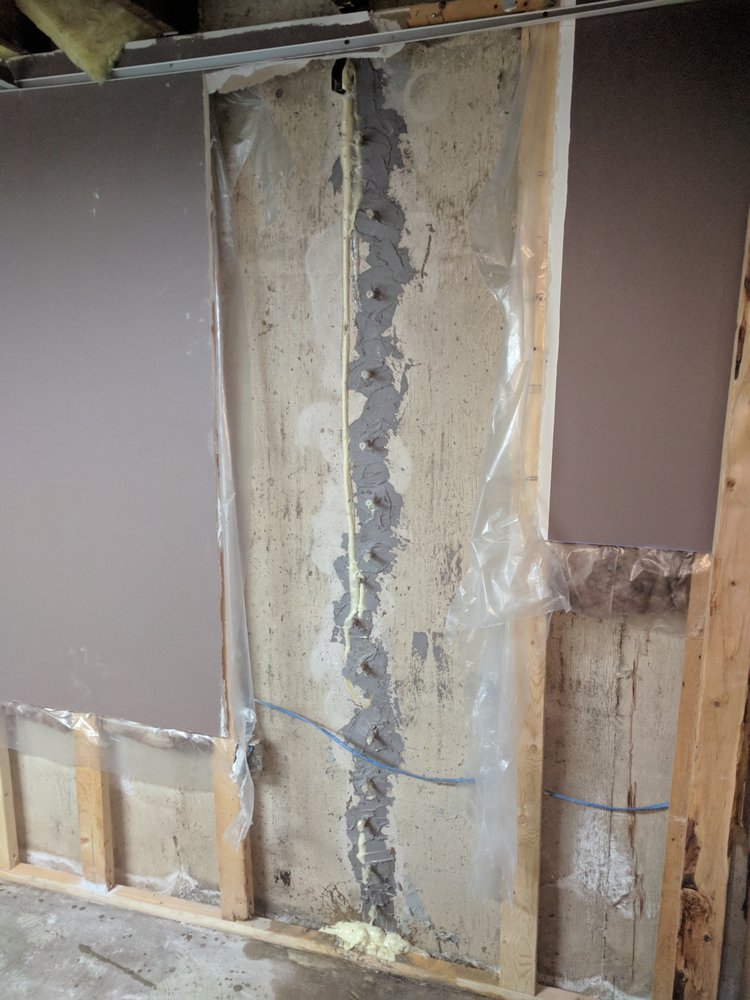
- Crack injection (epoxy or polyurethane)
- Exterior waterproofing
- Drainage correction
- Foundation stabilization (underpinning or piers)
- Wall reinforcement systems
The most important step is identifying the root cause—not just treating the visible crack.
Foundation Cracks in Edmonton: Local Factors
Homes in Edmonton face unique challenges that increase the likelihood of foundation issues:
- Expansive clay soils
- Freeze-thaw cycles
- Seasonal moisture changes
- Poor drainage around foundations
These conditions make routine inspections and proactive foundation repairs especially important for homeowners in the region.
Final Thoughts
Foundation cracks are common, but they should never be ignored. While many are minor, others are early warning signs of serious structural problems. Knowing what to look for—and acting early—can protect your home and prevent costly repairs.
Need Expert Foundation Repairs?
If you’ve noticed cracks in your foundation, a professional inspection is the best next step.
Smart Foundation Solutions provides expert assessments and long-lasting repair solutions tailored to local conditions. http://foundationrepairsedmonton.com/
Foundation Problem?
We’ll Fix It Today.
Don’t let foundation damage compound. Get a free estimate from Edmonton’s most trusted repair team.