
Customer Service
(780) 993-1464
(780) 993-1464
Homeowners constantly seek ways to protect their homes from potential water damage. One effective solution is the installation of a sump pump. A sump pump is a device designed to remove water that accumulates in a water-collecting sump basin, typically found in the basements of homes.
A sump pump may be needed in places that are prone to flooding or located in areas with high groundwater levels. The primary function of a sump pump is to prevent basement flooding and water damage by pumping out water that collects in the sump basin and directing it away from the home. This device ensures that basements remain dry and free from mold, mildew, and structural damage caused by excess moisture.
Sump pumps come in various types, each with its unique features and suitable applications. The two primary types of sump pumps are submersible sump pumps and pedestal sump pumps. Submersible sump pumps are installed inside the sump basin and are submerged in water. They are known for their efficiency and quiet operation, making them ideal for homes with limited space in the basement since they are installed within the basin. Pedestal sump pumps, on the other hand, have a motor located above the sump basin, with a hose reaching down into the basin to pump out water. They are easier to maintain since the motor is accessible, but they tend to be noisier compared to submersible pumps.
Sump pumps can be classified based on their power source. Primary sump pumps run on electricity and are reliable but can be rendered useless during power outages unless backed up by an alternative power source. Battery backup sump pumps operate on battery power and activate when the primary pump fails or during power outages, providing an added layer of protection and ensuring continuous operation. Combination sump pumps combine a primary pump with a battery backup pump, offering the advantages of both in one unit.
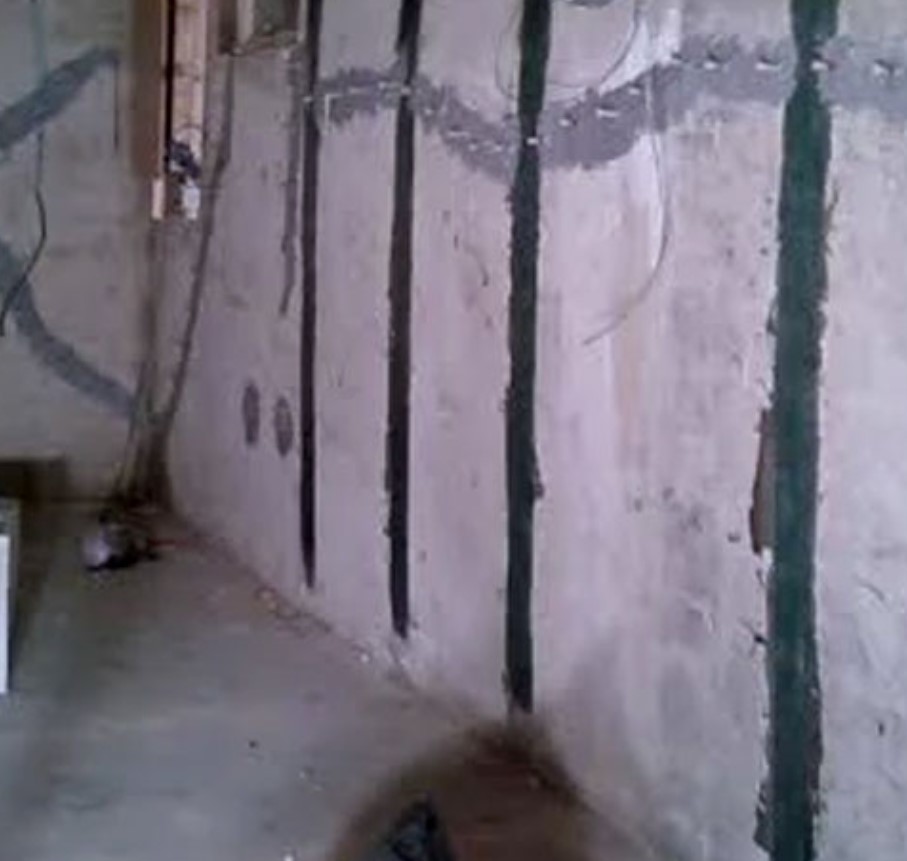
A properly installed sump pump helps protect your home from basement flooding, water buildup, and moisture-related damage. Smart Foundation Solutions installs sump pump systems designed for long-term protection in Edmonton homes.
A basement waterproofing system is a combination of various techniques and tools designed to prevent water from entering a basement and to remove any water that does manage to seep in. The primary goal of such systems is to keep the basement dry and to protect the foundation of the home from water damage. Comprehensive waterproofing involves both external and internal measures to address water infiltration effectively.
External waterproofing methods are aimed at preventing water from reaching the basement walls. These methods include exterior drainage systems, waterproof membranes, and proper grading and landscaping. French drains, also known as perimeter drains, are installed around the foundation to channel water away from the house. These drains consist of perforated pipes surrounded by gravel and filter fabric to capture and direct water away from the foundation. Waterproof coatings or membranes are applied to the exterior walls of the basement to create a barrier that prevents water penetration. These membranes are often made from materials like asphalt or rubberized asphalt and can be either spray-applied or adhered as sheets. Ensuring that the ground around the home slopes away from the foundation helps prevent water from pooling near the basement walls. Proper landscaping and the use of gutters and downspouts are also essential for directing water away from the house.
Internal waterproofing methods are focused on managing water that has already entered the basement and preventing it from causing damage. These methods include interior drainage systems, vapor barriers, and dehumidifiers. Interior French drains or weeping tiles are installed along the perimeter of the basement floor. These drains capture water that seeps through the walls and floor and direct it to a sump pump for removal. Vapor barriers are materials installed on the interior walls and floors of the basement to prevent moisture from passing through. These barriers are often made of plastic or foil and help keep the basement dry. Dehumidifiers are used to reduce the humidity levels in the basement, preventing the growth of mold and mildew. These devices are especially useful in basements with high humidity levels.
Sump pumps are the heart of an internal waterproofing system. They are designed to remove water that accumulates in the basement, ensuring that it remains dry and free from water damage. Sump pumps are typically installed in a sump basin, a pit dug into the lowest part of the basement floor, where water naturally collects.
When water enters the basement, it flows into the sump basin. As the water level in the basin rises, it triggers a float switch or pressure sensor that activates the sump pump. The pump then removes the water from the basin and discharges it outside the home, typically to a storm drain, dry well, or a designated drainage area away from the foundation. This process prevents water from pooling in the basement and causing damage.
Groundwater and drainage water collect in the sump basin at the lowest point of the basement.
When the water level rises, the float switch or sensor triggers the sump pump to turn on.
The pump sends the water through a discharge line away from your home and foundation.
This helps reduce flooding risk, moisture buildup, and long-term water damage in the basement.
Water issues in your basement often start small—but ignoring them can lead to serious structural damage, mold growth, and costly repairs. A sump pump is designed to protect your home by removing excess water before it becomes a problem. Here are the key signs that indicate you may need one.
Water keeps entering the basement after rain, thaw, or high-moisture periods.
Persistent moisture, humidity, or wet spots may signal poor water management.
Moisture buildup can create conditions that support mold and mildew growth.
Homes in areas with higher groundwater levels may need active water removal.
Interior drainage systems often work together with a sump pump for better protection.
If the basement has flooded before, a sump pump can help reduce future risk.
A sump pump is only as reliable as the system around it. Proper installation and regular maintenance help ensure your basement stays protected when water levels rise.
A professionally installed sump pump system starts with the right basin placement, pump selection, discharge setup, and drainage integration. We assess your basement conditions and recommend a system designed to handle the water volume and drainage demands of your home.
Whether the installation is part of a waterproofing system or a proactive upgrade, correct setup is essential for long-term performance and reliable water removal.
Like any working system, sump pumps need regular maintenance to stay dependable. Over time, debris buildup, discharge issues, and worn components can reduce performance and increase the risk of failure when you need the pump most.
Ongoing maintenance may include checking the float switch, testing pump activation, cleaning the pit, inspecting the discharge line, and confirming backup systems are ready when needed.
Choosing the right sump pump depends on your home, water exposure, and backup needs. Understanding the different types helps you make the best decision for long-term protection.
Installed inside the sump basin, these are known for efficient and quieter operation.
Pro Tip:
For most homeowners, a submersible pump with a battery backup offers the best balance of performance, reliability, and protection—especially in areas with heavy rainfall or power outages.
The motor sits above the basin, making maintenance easier, though they are often noisier.
These help keep water moving when the power goes out or the main unit stops working.
A primary pump paired with battery backup gives added reliability in one system.
We deliver long-lasting repairs using proven methods and top-of-the-line materials. Our team is highly trained and experienced, ensuring every project is completed to the highest standards. We approach every project with professionalism and respect. Our team is courteous, reliable, and committed to keeping you informed throughout the entire repair process.
Learn more about sump pump systems, how they work, and when they may be needed.
Foundation crack repair, waterproofing, and structural repairs across Edmonton and surrounding communities.