

Not every basement crack means your home needs major foundation repair. In many Edmonton homes, small concrete cracks are common due to soil movement, freeze-thaw cycles, and natural settling. The important part is understanding whether the crack is cosmetic, leaking, or structural.
A simple crack repair may be enough if the issue is isolated and the foundation itself is still stable. However, if the crack is causing wall movement, water intrusion, bowing walls, or recurring leaks, the problem may be deeper and require structural foundation repair instead.
When Crack Repair Is Usually Enough
In many cases, homeowners only need professional crack sealing or injection repair. This is common for:
- Small vertical cracks
- Hairline shrinkage cracks
- Minor water seepage
- Single isolated cracks
- Basement wall cracks without movement
- Surface cracks in concrete floors
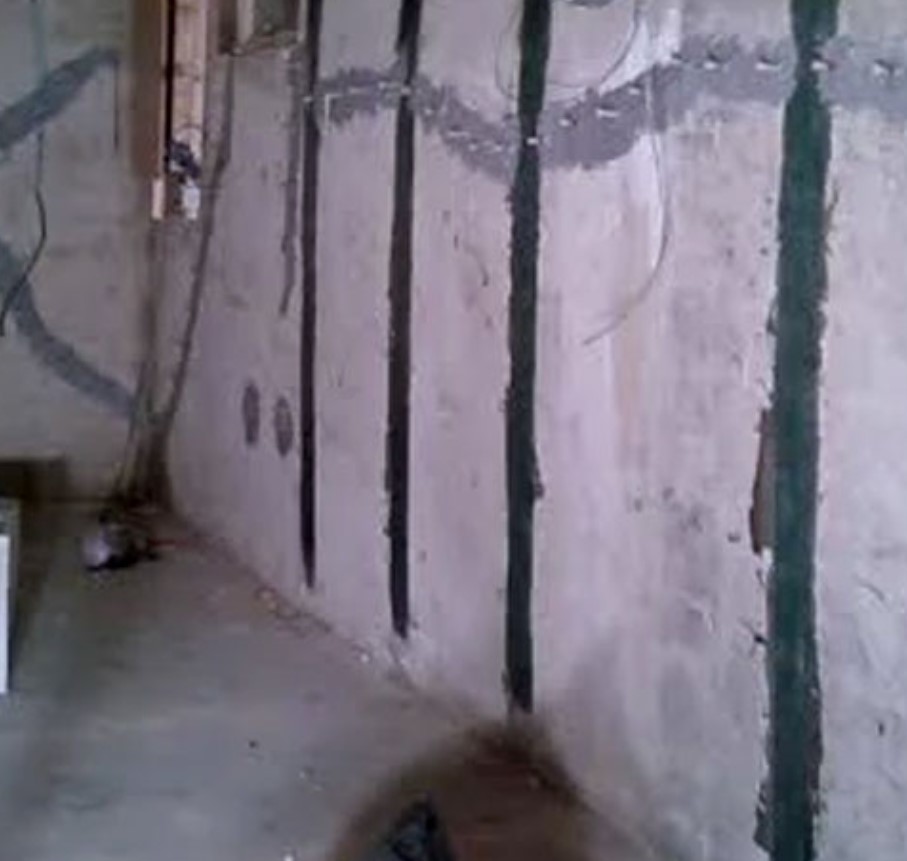
These types of cracks are often repaired using epoxy or polyurethane injection systems designed to stop water leaks and restore the integrity of the concrete. If caught early, crack repair is usually fast, affordable, and minimally invasive.
Signs you may only need crack repair:
- The crack is thin and vertical
- No bowing or shifting walls
- Doors and windows still open normally
- No major basement flooding
- The crack has not widened over time
- Water leakage is minor or occasional
At Smart Foundation Solutions, many homeowners call for what looks like a serious issue but turns out to be a manageable crack repair with waterproof sealing.
Signs You May Need Full Foundation Repair
Some cracks are symptoms of larger structural movement happening underneath or around the home. This is especially common in areas with shifting clay soil, water pressure buildup, poor drainage, or long-term moisture exposure.
You may need foundation repair if you notice:
- Horizontal cracks
- Stair-step cracks in concrete or brick
- Bowing basement walls
- Uneven floors
- Doors or windows are sticking
- Repeated leaking after previous repairs
- Large widening cracks
- Foundation settlement
- Cracks wider than 1/4 inch
- Basement walls are shifting inward
Structural foundation problems usually require more than just sealing the visible crack. The underlying pressure, movement, or water issue must be corrected to prevent ongoing damage.
Water Leaks Don’t Always Mean Structural Damage
One of the biggest misconceptions homeowners have is assuming every leaking crack means the house is structurally unsafe. In reality, many leaking basement cracks are waterproofing problems rather than structural failures.
Water intrusion can happen because of:
- Hydrostatic pressure
- Failed waterproofing membranes
- Poor grading around the home
- Clogged weeping tile systems
- Heavy rain or snow melt
- Expanding soil around the foundation
In these situations, waterproofing and crack sealing may solve the issue completely without major structural repairs.
Horizontal vs Vertical Cracks
Understanding crack direction is important.
Vertical Cracks
Vertical cracks are often caused by natural settling or concrete shrinkage. These are commonly repairable without major structural work unless there is active movement or severe leaking.
Horizontal Cracks
Horizontal cracks are more serious because they often indicate soil pressure pushing against the foundation wall. These cracks can eventually lead to wall failure if ignored.
Stair-Step Cracks
These cracks usually appear in block foundations or brickwork and may signal uneven settlement or structural shifting.
If you notice horizontal or stair-step cracking, a professional inspection is recommended as soon as possible.
The Cost Difference Matters
Many homeowners delay inspections because they fear expensive repairs. The reality is that early crack repair is usually far less expensive than waiting until structural movement develops.
A small leaking crack today can eventually lead to:
- Mold growth
- Basement flooding
- Structural shifting
- Interior wall damage
- Flooring damage
- Lower property value
Early intervention helps prevent larger repairs later.
When Should You Call a Foundation Specialist?
You should schedule an inspection if:
- The crack is actively leaking
- The crack keeps growing
- You notice multiple cracks
- Walls appear uneven or bowed
- Water enters after rain
- Basement humidity or musty smells increase
- Previous repairs failed
- Floors feel sloped
A professional inspection helps determine whether the issue is cosmetic, waterproofing-related, or structural.
Protect Your Edmonton Home Before the Damage Gets Worse
Foundation problems rarely improve on their own. Whether you need simple crack repair or complete structural foundation repair, getting the issue assessed early can save thousands in future damage.
Smart Foundation Solutions provides foundation crack repair, waterproofing, structural repairs, and basement leak solutions across Edmonton and surrounding areas. Their team evaluates the root cause of the problem instead of just covering the visible crack.
Frequently Asked Questions About Foundation Cracks
Is it normal to have cracks in a basement foundation?
Yes, small cracks can be normal in many Edmonton homes due to settling, concrete shrinkage, and seasonal freeze-thaw cycles. However, some cracks may indicate structural problems or water intrusion, especially if they widen over time or begin leaking.
How do I know if a foundation crack is serious?
Foundation cracks may be serious if they are horizontal, wider than 1/4 inch, leaking heavily, or causing wall movement. Signs like bowed walls, uneven floors, sticking doors, or recurring basement leaks may indicate structural foundation issues.
Can foundation cracks cause water leaks?
Yes. Even small cracks can allow groundwater and moisture into your basement. Water intrusion often happens during heavy rain, snow melt, or when hydrostatic pressure builds around the foundation walls.
What is the difference between crack repair and foundation repair?
Crack repair focuses on sealing isolated cracks to stop leaks and restore the concrete surface. Foundation repair addresses deeper structural issues such as wall movement, settlement, bowing walls, or shifting foundations.
Are vertical foundation cracks dangerous?
Vertical cracks are often less serious and commonly caused by natural settling or concrete shrinkage. However, they should still be inspected if they leak water, continue growing, or appear in multiple areas.
Are horizontal foundation cracks serious?
Yes. Horizontal cracks are usually more concerning because they may indicate soil pressure pushing against the foundation wall. These cracks can eventually lead to structural failure if ignored.
Can a leaking basement crack be repaired without replacing the foundation?
In many cases, yes. Professional crack injection and waterproofing systems can often repair leaking cracks without full foundation replacement, depending on the severity of the issue.
How much does foundation crack repair cost in Edmonton?
The cost depends on the size of the crack, water damage, accessibility, and whether structural repairs are needed. Minor crack injection repairs are generally much less expensive than major structural foundation repairs.
What causes foundation cracks in Edmonton homes?
Common causes include:
- Freeze-thaw cycles
- Expanding clay soil
- Water pressure around the foundation
- Poor drainage
- Soil settlement
- Heavy rainfall or snow melt
- Aging concrete
When should I call a foundation repair specialist?
You should schedule an inspection if:
- Cracks are growing
- Water is entering the basement
- Walls are bowing
- Floors feel uneven
- Doors or windows stick
- You notice repeated leaks or moisture issues
Not every basement crack means your home has serious structural damage. In many Edmonton homes, vertical cracks are often repairable with professional crack injection or waterproof sealing, while horizontal cracks, bowing walls, and widening foundation cracks may indicate deeper structural movement that requires foundation repair. Water leaks around foundation cracks can also signal waterproofing problems caused by hydrostatic pressure, poor drainage, or expanding soil. Understanding the difference early can help homeowners avoid costly long-term damage and protect their basements from future leaks and foundation issues.
Foundation Crack Warning Signs at a Glance
Some basement cracks are minor and manageable, while others may indicate serious foundation movement or water intrusion. Here are some common warning signs homeowners should never ignore.
Vertical Cracks
Often caused by natural settling or concrete shrinkage, they are commonly repairable with crack injection systems.
Horizontal Cracks
May indicate soil pressure against the foundation wall and could signal a structural foundation issue.
Water Leaks
Basement moisture or leaking cracks may require waterproofing solutions to stop ongoing water intrusion.
Bowing Walls
Walls leaning inward or showing movement often require professional foundation stabilization and repair.
Growing Cracks
Cracks that widen over time should be inspected immediately before they lead to larger structural damage.