


Foundation cracks can compromise your home’s beams, roofing, and framing in addition to the walls. If you have a basement, you can see moisture problems or leaks, which could indicate structural difficulties. The size, position, and quantity of cracks determine how severe they are.
Tiny surface fractures known as hairline cracks are brought on by slight concrete shrinkage. Although they don’t have much structural value, they can let moisture in, which could cause long-term harm. When a portion of the foundation sinks, floors and walls move and shatter, resulting in settlement fractures. These fissures may grow over time and necessitate professional care if ignored. When the soil beneath the foundation swells and pushes the concrete higher, heaving fractures are created. In areas with severe winters, where frost causes the ground to expand and shrink, this kind of damage is very prevalent. Serious structural issues are indicated by spalling or expanding cracks, which require prompt care to stop further degradation, especially if they are more than a quarter of an inch broad or have disintegrating edges.
The expansive clay that makes up the majority of Edmonton’s soil experiences constant cycles of expansion and contraction as a result of variations in moisture content. These alterations cause the ground to shift, which might result in flooring and concrete slab fissures. Uneven foundation settlement puts extra strain on the flooring, which frequently leads to obvious cracks in high-stress locations. Overabundance of groundwater near the foundation is particularly dangerous because it causes hydrostatic pressure, which pushes moisture into crevices and gradually erodes the structure. Water damage can worsen without adequate drainage and sealing, necessitating expensive repairs.
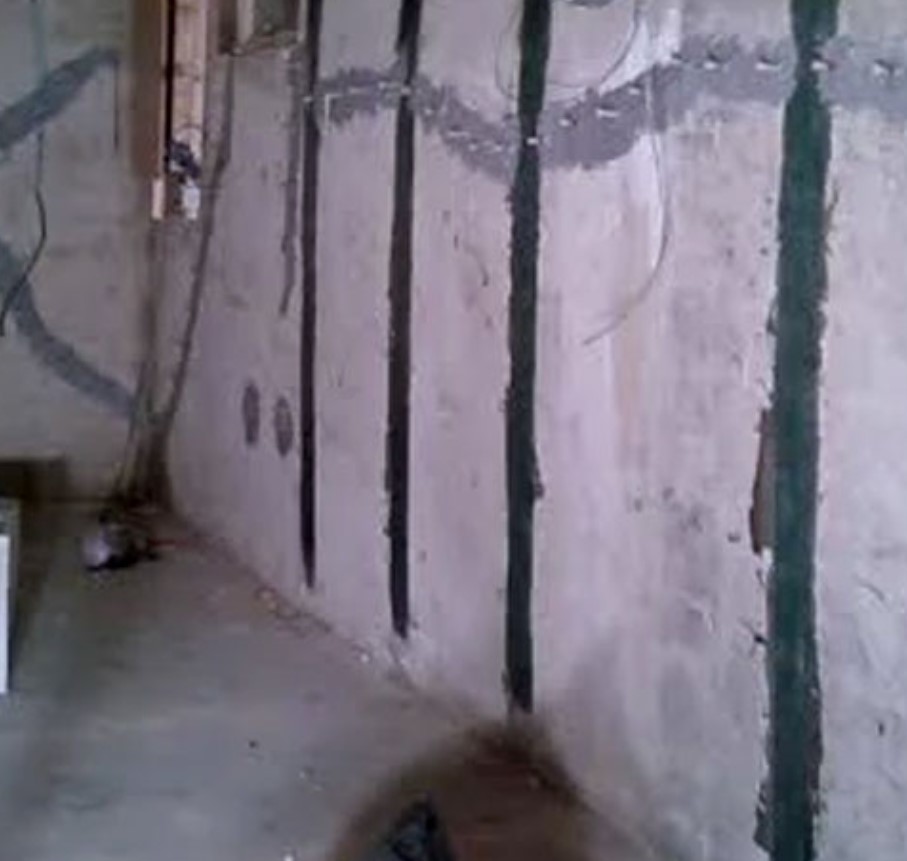
Inadequately cured concrete is another frequent reason for floor fractures. Concrete may shrink and crack if the curing process is not carried out properly during construction. The problem is made worse by Edmonton’s harsh winters, which frequently cause the concrete to expand and contract due to freeze-thaw cycles, further weakening the structure.
There are various repair techniques that can be used to remedy these foundation problems. Injections of epoxy and polyurethane work well to seal minor to moderate cracks and form a connection with the concrete to stop moisture intrusion. When floors have settled unevenly, slab jacking is performed to lift and level the slab and restore stability by injecting a grout mixture or polyurethane foam underneath it. Underpinning methods employing push piers or helical piers strengthen the foundation in situations of significant foundation movement, halting further shifting and cracking. By covering cracks with steel or carbon fiber reinforcements, crack stitching fortifies the flooring and stops further expansion. Weeping tile systems and outside membrane installation are two examples of basement waterproofing techniques that assist control moisture levels and shield the foundation from water damage.
Promptly addressing foundation cracks is crucial to preserving your home’s long-term stability. Professional evaluation and repair can stop additional structural damage and guarantee the integrity of your property, regardless of how big or small the cracks are.